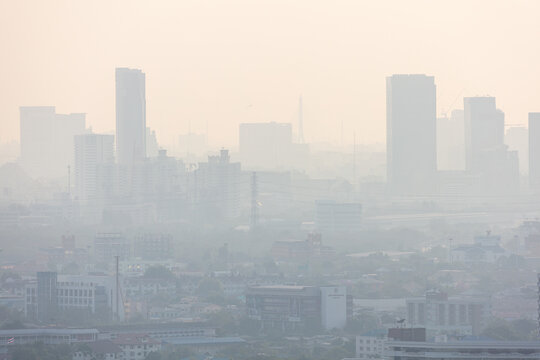
The first fog forecast
built for Pakistan.
District-level predictions up to 72 hours out — built on ERA5 reanalysis, live METAR observations, and an iTransformer deep learning model trained on South Asian winter fog.
- 34%
- of weather-related road accidents
- $12B
- annual cost of road injuries
- 72h
- forecast horizon
From a tap on the map to a warning in your pocket.
Zoomable point-query fog map
Tap anywhere in Pakistan for current conditions and a 6-hour forecast. A nearest-station-plus-historical-risk-profile method keeps the estimate honest between station coverage points, instead of pretending to know more than it does.
72-hour rolling forecast map
A time-animated layer showing predicted fog across every covered district at 6-hour intervals, rolling three days out, refreshing automatically as new GFS/ERA5 data lands.
Fog climatology layer
A toggleable historical overlay — fog frequency and intensity by location and month, built from the full ERA5 and METAR training set — so tonight's forecast reads against what's actually normal, not a guess.
City-wide push notifications
When dense fog is forecast for a district, everyone registered to that city is warned the evening before — not just drivers. Bilingual by default, in English and Urdu.
Saved location alerts
Independent thresholds per saved city or route. Save “Lahore to Islamabad” and get flagged if any segment of that corridor crosses an advisory.
FogBot, the bilingual chatbot
Ask “Will the M2 be safe after midnight?” by voice or text, in Urdu or English, and get a route-level probabilistic answer with contextual follow-ups.
Aviation visibility API
Hour-by-hour visibility, confidence intervals, and ILS minima probabilities for the five airports hit hardest by winter fog: Lahore, Islamabad, Faisalabad, Multan, and Peshawar.
Three tiers, one forecast.
Primary
Direct forecast users — act on the output in real time, need the highest reliability and lead time.
Secondary
Operational consumers — integrate the forecast into their own workflow via API or dashboard.
Tertiary
Indirect beneficiaries — benefit from the system without directly operating it.
Ask it directly
FogBot answers in Urdu or English, by voice or text.
No need to read a map. Ask a route or a city by name and FogBot queries the same district-level model behind the forecast, with follow-ups that stay in context.